
Fashion once celebrated symmetry and clean precision. Designers pursued consistency as the ultimate expression of elegance. Recently, however, imperfection has claimed its spotlight. The word desordre translates to disorder, yet in style, it evokes liberated creativity. Pink, once sweet and predictable, now embodies rebellious asymmetry. This evolving aesthetic challenges the notion of flawlessness. Modern consumers crave authenticity over glossy perfection. Imperfect pink garments reveal genuine craftsmanship and emotional honesty. The rawness invites individuality and personal interpretation. When designers distort balance intentionally, beauty gains new meaning. So read on.
The Philosophy of Asymmetry and Raw Edges
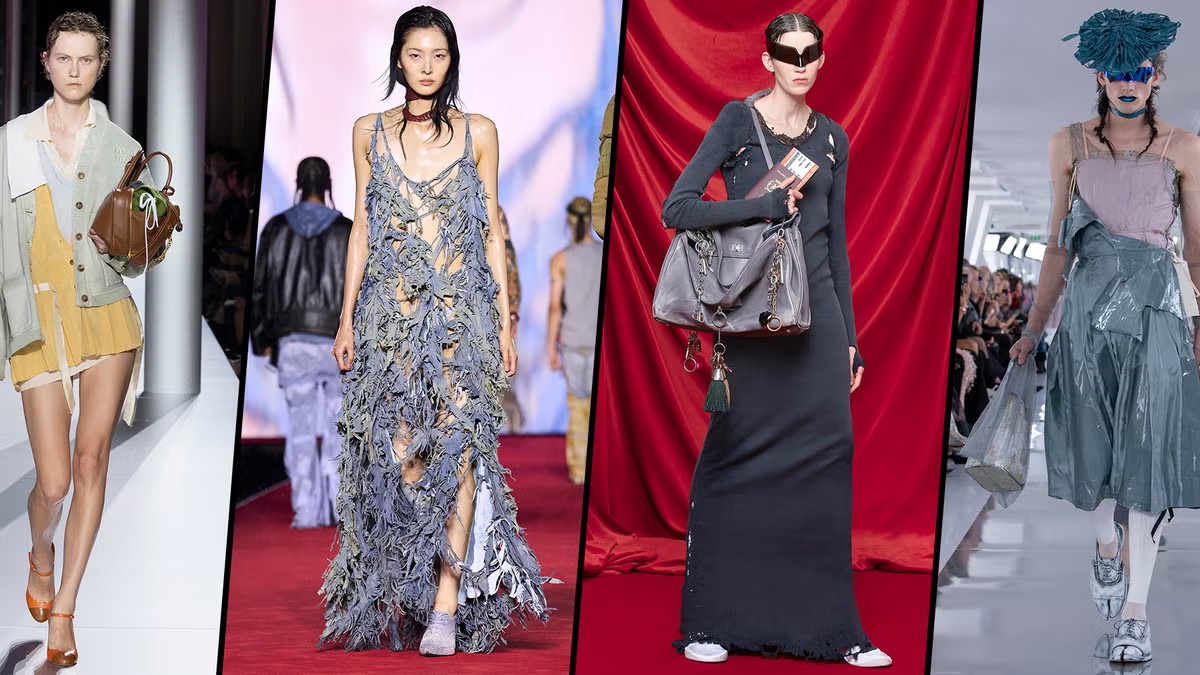
The essence of desordre lies in expressive imbalance. Asymmetry introduces surprise into structured fashion norms. Pink, historically soft, finds new strength in disruption. Uneven hems, twisted seams, and visible stitching play symbolic roles. Each deliberate imperfection suggests creative renewal rather than disorder. These rough details express self-awareness and confidence. Designers turn simple flaws into narrative statements. The unfinished edges whisper authenticity over glamour. They imply the human hand behind each creation. This philosophy values process more than result. Consumers sense honesty within imperfect craftsmanship. Pink’s vibrancy amplifies this genuine aesthetic story.
Cultural Shifts Toward Authentic Expression
The global mood celebrates transparency and realness. Society grows weary of filtered ideals and sameness. People increasingly seek self-representation through imperfection. Desordre mirrors changing cultural expectations toward authenticity. The pink palette reconnects emotional warmth with rebellion. Wearing asymmetrical pink from Élevé signals confidence beyond conformity. It reflects acceptance of flaws as marks of identity. Cultural icons champion individuality over imitation. Designers respond by crafting garments that feel personal. The imperfect becomes both empowerment and liberation. This movement transforms imperfection into cultural storytelling. Consumers interpret desordre as emotional rather than aesthetic.
Reimagining Pink Through Unconventional Styling
Traditional pink once represented uniform femininity and gentleness. Now, experimental layering disrupts that predictable tone. Designers mix textures, fabrics, and mismatched accessories freely. The color’s meaning expands through unorthodox composition. Rough silk, distressed satin, or patched cotton coexist harmoniously. Such contrasts heighten depth and creative sophistication. Pink’s usual softness gains structural complexity and intrigue. Desordre styling invites freedom within coordination’s disruption. Brands present irregular silhouettes with daring visual rhythm. Consumers appreciate unpredictability as refined innovation. This redefinition shifts pink from passive to provocative. The result blurs luxury’s boundary between control and spontaneity. But here are more information that you would need to know about.
Imperfection as Fashion’s Future Language
The market now prioritizes emotion over precision. Audiences desire designs that feel sincere and layered. Imperfection becomes fashion’s most persuasive authenticity tool. Pink’s imperfect elegance captures vulnerability and strength simultaneously. Designers craft collections celebrating open creative evolution. Limited editions explore chaos through harmony’s edge. Customization furthers this shift toward personal storytelling. Garments serve as reflections of evolving identity. The unfinished becomes an artistic conversation piece. The trend shows imperfection’s commercial and emotional power. Contemporary labels highlight raw elegance through innovation. Many collections, DESORDRE SET PIECES- PINK, embody this spirit. The future favors imperfection refined by emotional truth.