

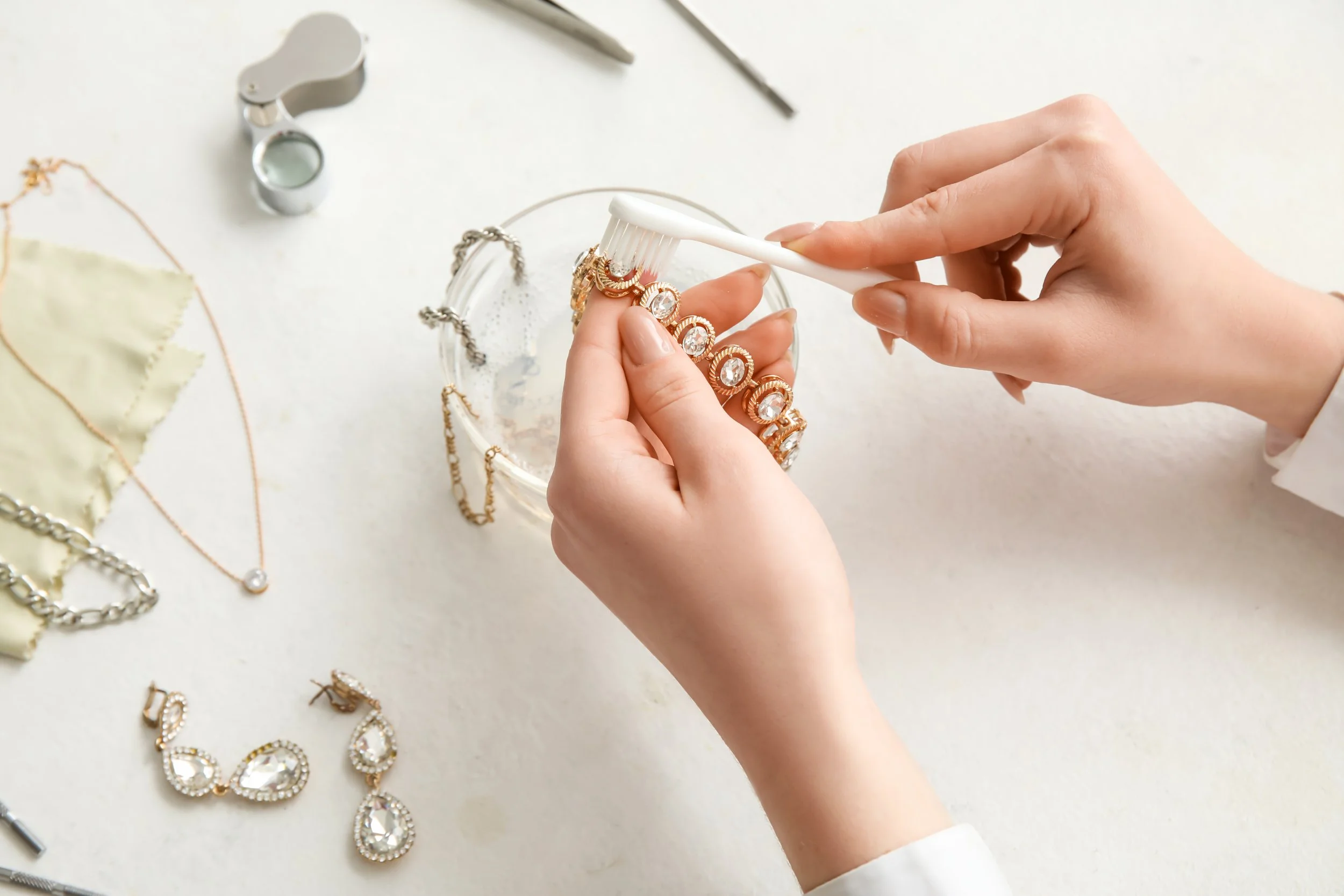
Selling jewelry—especially high-value pieces like gold, diamonds, or designer items—requires more than simply finding a buyer. Proper preparation can significantly increase your chances of getting a fair offer, avoid delays, and ensure a smooth transaction. Whether you’re parting with estate pieces, updating your style, or liquidating investment assets, following a thoughtful process will help you maximize the return on your jewelry.
Trusted professionals, like G Luxe jewelry buyers, often recommend a few key steps before you bring your items in for appraisal. From cleaning and documentation to knowing your item’s value, here’s how to prepare your jewelry properly for sale.
1. Understand What You Own
Before selling, it’s crucial to identify what kind of jewelry you have. This includes knowing:
- Material type: Gold (karat value), platinum, silver, etc.
- Gemstone quality: Are the stones diamonds, sapphires, or other precious gems? Are they natural or lab-created?
- Brand: Is it a designer piece from Tiffany & Co., Cartier, or Bulgari?
- Era: Vintage or antique items may hold collectible value.
If you’re unsure about any of these details, don’t worry. Professional buyers can help identify these features during evaluation. But having a general understanding will give you more confidence during negotiations.
2. Clean the Jewelry Carefully
Clean jewelry presents better and shows off its sparkle and detail—both of which can influence a buyer’s offer. However, be cautious:
- Use a soft brush, warm water, and mild dish soap for gentle cleaning.
- Avoid abrasive cleaners or ultrasonic devices unless you’re sure your piece can withstand it.
- Dry thoroughly with a soft cloth.
This step isn’t about deception—it’s about showcasing the piece’s best appearance without altering or damaging it.
3. Gather Documentation
Buyers value authenticity and proof of purchase. If you have original documents, they can increase the offer or simplify the sale process. Try to find:
- Receipts or original packaging
- Certificates (e.g., GIA for diamonds)
- Appraisals or insurance valuations
- Designer authentication cards
Even if the paperwork is missing, the piece can still be valuable, but documents often add credibility and clarity.
4. Take Inventory Photos (Optional)
If you’re selling multiple pieces or valuable sets, photographing your jewelry before bringing it to a dealer or buyer helps you track what you’ve submitted. This is useful for:
- Organization
- Insurance claims
- Online consultations or pre-appraisal
Make sure the images are clear, well-lit, and focused on key details like hallmarks, engravings, or unique designs.
5. Research Current Market Trends
Market value for precious metals and gemstones fluctuates. Look up:
- The current price of gold or platinum
- Resale demand for your brand or style
- Comparable listings on reputable resale websites or auction houses
This research gives you a ballpark idea of your piece’s worth and prevents accepting lowball offers.
6. Choose a Reputable Buyer
All your preparation is only as good as the buyer you choose. Work with:
- Certified professionals
- Businesses with strong reviews or industry affiliations
- Transparent policies about pricing, weighing, and payment
High-end jewelry evaluators like G Luxe jewelry buyers often provide in-person consultations, competitive market-based offers, and secure handling of your valuable items.
Conclusion
Selling your jewelry can be both emotionally and financially rewarding, especially when you take the time to prepare properly. Clean your items, gather your documents, understand their value, and most importantly—choose a reputable, trustworthy buyer.