

The world of lighting has undergone a significant transformation over the past decade, largely thanks to advances in LED technology. Among the many innovations, LED strip lights and LED modules have become essential components in homes, businesses, and industries worldwide. Understanding how these products are made and supplied can shed light on why they are so widely used and how the industry continues to evolve.
Understanding LED Strip Lights and Their Manufacturing
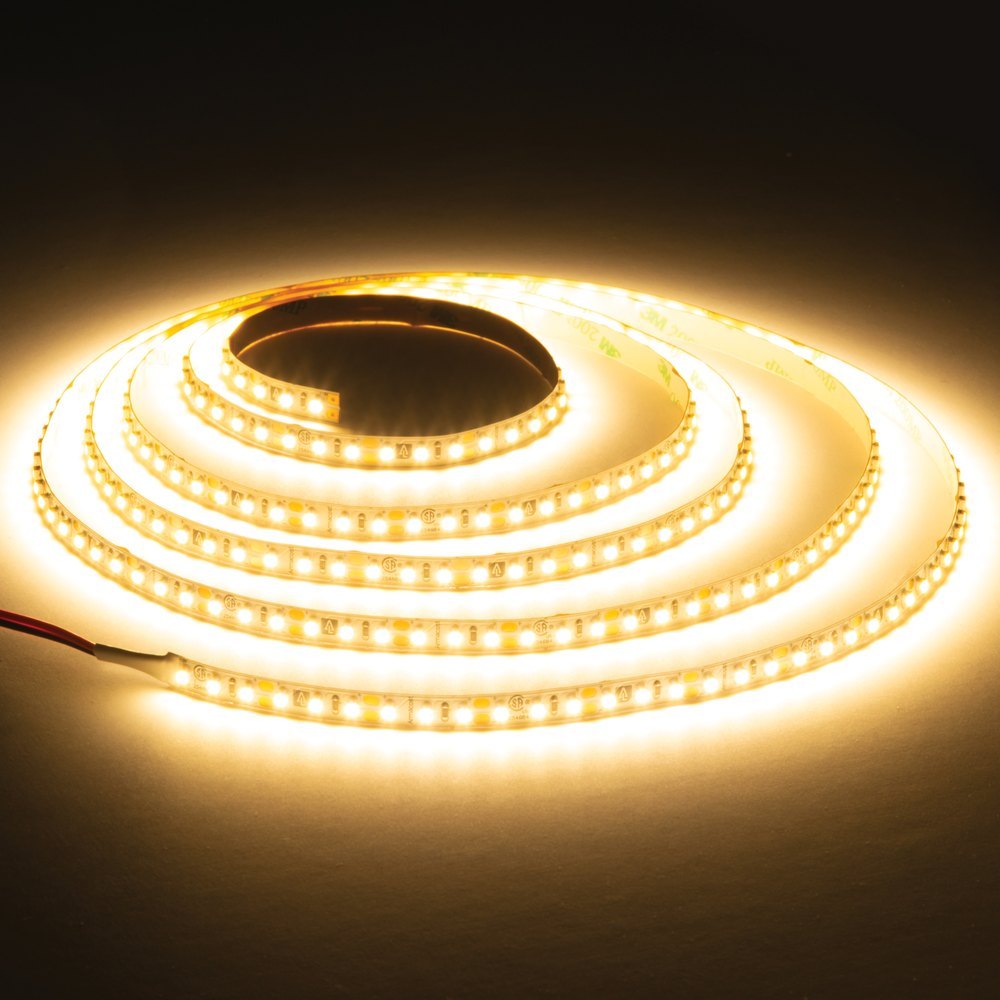
LED strip lights are flexible circuit boards embedded with small light-emitting diodes (LEDs) that offer versatile lighting solutions. Their ability to bend, cut, and adapt to various surfaces makes them incredibly popular for decorative, architectural, and functional lighting. From accent lighting in living rooms to illuminating signage and commercial spaces, LED strip lights provide both efficiency and creativity.
The role of a led strip lights factory is crucial in bringing these products to market. Such factories focus on precision in design and assembly, ensuring each strip meets specific quality and performance standards. The manufacturing process typically involves designing the circuitry, placing LEDs on a flexible substrate, and subjecting the finished product to rigorous testing to guarantee reliability and durability.
One key aspect in manufacturing is maintaining high standards to avoid common issues like flickering, uneven brightness, or premature failure. This attention to detail often includes selecting durable materials and implementing protective coatings to withstand moisture or dust, which is crucial for outdoor applications.
The Role of LED Module Suppliers in the Industry
While LED strip lights are widely recognized, the LED modules inside them are the unsung heroes that make the lighting possible. LED modules are compact, self-contained units that house the LEDs along with necessary circuitry. These modules can be used individually or combined to create larger lighting fixtures.
Working with trusted led module suppliers is essential for manufacturers who rely on high-quality components to build their lighting solutions. These suppliers provide a range of modules varying in size, brightness, and power consumption, allowing lighting manufacturers to select components tailored to their needs. Certifications, product consistency, and supplier reliability all factor into making the right choice.
Choosing the right supplier involves considering factors like certifications, manufacturing capabilities, and after-sales support. Certifications such as CE or RoHS ensure the modules meet safety and environmental standards, giving buyers confidence in their products. Furthermore, dependable suppliers keep up with technological advancements and offer customizable solutions, allowing manufacturers to tailor lighting to unique applications.
Key Considerations for LED Lighting Businesses
The LED lighting market is dynamic and highly competitive, so companies need to focus on several important factors to stay relevant.
Customization is one of the biggest trends. Many customers today want lighting solutions that fit their specific designs and requirements rather than off-the-shelf products. This demand has encouraged factories to offer original equipment manufacturer (OEM) services, where they produce bespoke LED strip lights or modules according to client specifications.
Compliance with international standards is another crucial point. Products that carry certifications like UL (Underwriters Laboratories) or CE (Conformité Européenne) not only reassure customers about safety but also facilitate entry into global markets. These certifications often require stringent testing and documentation, reflecting a company’s commitment to quality.
Sustainability is increasingly important, too. As energy efficiency becomes a top priority worldwide, manufacturers are adopting eco-friendly materials and production processes. This shift benefits not only the environment but also helps companies reduce costs and appeal to environmentally conscious consumers.
Challenges and Opportunities in the LED Lighting Market
Despite the rapid growth of the LED lighting industry, it faces several challenges. The competition among manufacturers and suppliers is fierce, pushing companies to innovate and differentiate their products continuously. This competition also affects pricing, requiring manufacturers to balance cost efficiency with quality.
Technological advancements present both challenges and opportunities. Developments such as smart lighting systems, integrated controls, and improved energy efficiency are reshaping market demands. Companies that embrace these trends are more likely to thrive, while those that lag risk losing market share.
Global market trends also influence the industry heavily. For example, many countries are implementing stricter energy regulations that favor LED technology over traditional lighting. At the same time, emerging markets offer new growth opportunities for manufacturers and suppliers willing to adapt their offerings to local needs.
Looking Ahead: The Future of LED Strip Lights and Modules
The future of LED lighting looks promising as technology continues to evolve. We can expect to see more intelligent lighting solutions that integrate seamlessly with home automation and smart building systems. These advancements will likely make LED strip lights and modules even more versatile and efficient.
Moreover, as environmental concerns grow, sustainable manufacturing and recycling of LED components will become standard practices. This commitment to sustainability, combined with ongoing innovation, will drive the LED lighting industry forward, offering better, longer-lasting, and eco-friendlier products.
In summary, the production and supply of LED strip lights and LED modules are central to the lighting industry’s ongoing transformation. Understanding these processes and market dynamics provides insight into why LED technology remains at the forefront of modern lighting solutions. Whether you’re an industry professional or simply curious about how your LED lights work, knowing the journey from factory to final product adds a new appreciation for this everyday technology.