

The first shampoo to ever exist was in the form of powder. It came from a pharmacy owner and inventor in Germany, and quickly became a favorite among the early 20th century Europeans. To them, the novelty of the idea, the bubbles in the foam, and an emerging notion of hygiene were exciting enough to sideline the cleansing factor.
In the 21st century, however, the powder shampoo would barely get a passing glance. Scientific research about hair growth and advanced formulations have contributed to the lengthy checklist that you reference before choosing a hair shampoo.
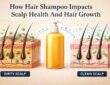
What Shampoo Does For Scalp Health and Hair Growth
You switch up your hair shampoo every few months with the intention of finally finding that one magical formula that can heal your scalp and sprout baby hair. The science of it, however, gets lost among hair care guides and product recommendations.
But to find that one hair shampoo, you’ll need to understand how the chemistry works behind the scenes. Shampoos are made from a mix of surfactants, conditioning agents, protectants, and additional cosmetic ingredients.
- Cleansing Effect
Surfactants act like dishwashing detergents or soap. They pull the gunk, including dust, oil, and buildup from your scalp, without clearing it of natural fluids. If you’re using a shampoo for treatment, chances are, it is formulated to target a specific concern like dandruff or flaking. In such a scenario, it’ll work on the exact concern it’s formulated for and soothe your scalp.
- pH Balance
Most shampoos tend to be more acidic unless they’ve been infused with targeted ingredients to balance that out. The human scalp is more alkaline than the strands of our hair. An effective hair shampoo will bring down the pH to restore the natural balance in the scalp and keep the sulfide bridges in keratin intact.
- Growth Support
Vitamins, minerals, proteins, and natural extracts used in the formulation of a hair shampoo play a collective role in strengthening strands and revitalizing your hair follicles. They aid healthy blood circulation in the scalp and support favorable scalp conditions for the growth of baby hair.
To be precise, the best hair shampoo has to fight multiple battles.
Three Major Categories of Hair Shampoo
- Hydrating Shampoo: Seals moisture in the cuticle and provides long-term hydration as well as heat protection.
- Clarifying Shampoo: Highly effective in clearing out product buildup and grease stuck to the scalp, these provide thorough cleansing.
- Volumizing Shampoo: Lightweight formulations that repair damage and add density to the hair, making them fuller and bouncy.
Ingredients To Avoid When Choosing Hair Shampoo
On your next shower haul, don’t just look for a shampoo that makes a lot of promises on paper. Be wary of these damaging ingredients:
- Parabens: Dry out the scalp and worsen flaking
- Sulfates: Strip the scalp of natural oils, making your hair damage-prone
- Propylene glycol: Causes scalp sensitivity and dehydrates your strands
- Alcohol: Perpetuates frizz and leads to poor hair texture
- Artificial fragrances: Damage cuticles and negatively impact overall hair health
Wrapping Up
Shampoo acts as the second layer of nourishment and protection your hair and scalp receive after oil. If things go wrong in this stage, even an effective conditioner, protein treatment, or leave-in product will fail to restore your hair’s health. As primary cleansers, their job is to clear out the field so other hair products can penetrate your hair cortex and energize your scalp. You wouldn’t build your home on shaky ground, so why take chances with the most sensitive parts of your head? Do your research before you bring a sealed bottle home!